Source Eco Friendly Disposable Baby Bibs for Travel, Meals, and Gifts
Find 30 eco friendly disposable baby bibs from Chinese manufacturers. Compare options made from cotton, viscose, and polyester blends. View specifications, packaging details, and supply capabilities for bulk sourcing needs; compare the available evidence and request quotations based on your requirements.
Key considerations
Products List


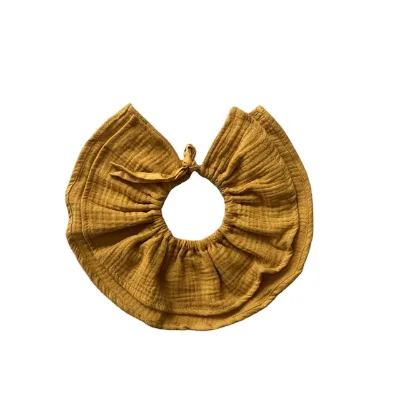


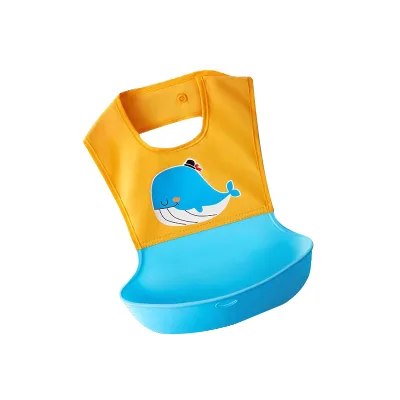

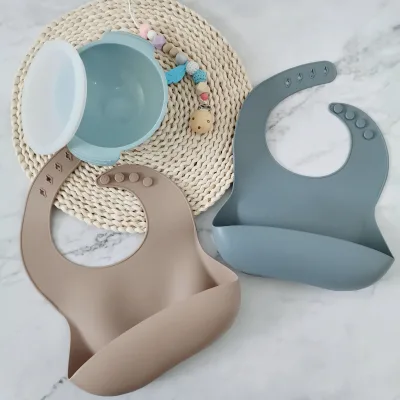
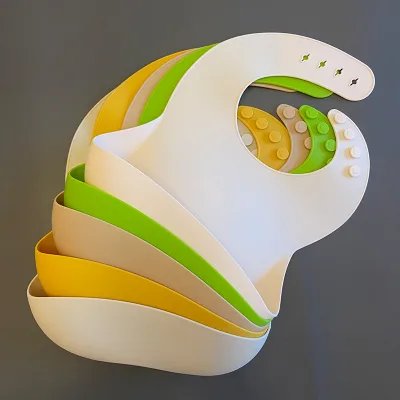




Comprehensive Sourcing Guide
Eco Friendly Disposable Baby Bibs Sourcing Guide
Procurement professionals must first distinguish between truly disposable items and washable alternatives when sourcing eco-friendly baby bibs. The market data indicates a mix of products labeled as disposable, including those made from 100% cotton or viscose/polyester blends, alongside washable options that may be marketed with similar sustainability claims. Buyers should carefully scrutinize product attributes to ensure the material composition aligns with their specific waste reduction goals, as the term "eco-friendly" can apply to biodegradable disposables or durable reusable textiles depending on the intended lifecycle.
Verification of the supply type is critical before placing orders, as some listings explicitly state "in-Stock Items" while others operate on a custom manufacturing basis with longer lead times. The observed supply ability of 5000 sets per week suggests a capacity for rapid fulfillment of standard inventory, whereas customized models like OEM/ODM paper bibs may require a 30-day production window. Understanding this distinction helps buyers align their inventory planning with realistic delivery expectations and prevents stockouts during peak demand periods.
Product Scope and Observed Listing Signals
The product scope for this category spans various configurations, including specific models like BA003 and RW001, which feature distinct dimensions ranging from 5x5cm to 35x24cm. Listings reveal diverse packaging formats, such as single units in OPP bags, bulk packs of 20 pieces per bag, or carton shipments containing 100 pieces per box. These variations in packaging details directly impact logistics costs and storage requirements, necessitating a clear definition of the preferred unit count and outer carton specifications before engaging with suppliers.
Observed listing signals also highlight significant variability in customization capabilities, with some suppliers offering logo printing while others explicitly state "No Logo Printing." The availability of customization is a key differentiator, allowing brands to tailor products for specific age groups, such as infants aged 0-2 months or 6-12 months. Buyers must verify if the desired customization, including specific colors like white or natural white, is feasible within the supplier's current production capabilities and minimum order constraints.
Technical Specifications to Verify
Technical verification begins with confirming the material composition, as the data shows products ranging from 100% cotton to viscose/polyester blends. The standard for cotton items is explicitly noted as 100% cotton, which is a crucial detail for buyers seeking natural fiber products, while other listings specify a viscose/polyester mix that may offer different absorbency or durability characteristics. Ensuring the material matches the intended use case is essential, as the performance of a disposable bib differs significantly from a washable textile alternative in terms of fluid retention and structural integrity.
Dimensional accuracy and technical production methods are equally vital to validate against the provided specifications. Listings indicate standard sizes such as 23x34cm, 23.5x34.5cm, and 35x24cm, alongside specific production techniques like yarn-dyed or printed finishes. Buyers should request physical samples to confirm that the printed logos or yarn-dyed patterns do not compromise the fabric's integrity and that the dimensions remain consistent across the entire batch, especially for products intended for specific age groups where fit is paramount.
Compliance and Safety Documentation
Safety compliance for baby products requires rigorous documentation, particularly regarding the materials used in direct contact with an infant's skin. While the provided data mentions OEKO-TEX as a background standard, buyers must explicitly request current test reports to verify that the cotton, viscose, or polyester materials are free from harmful substances. Relying on general claims of being "eco-friendly" or "disposable" is insufficient; specific certification documents proving the absence of allergens and toxic dyes are necessary to meet international safety regulations for infant wearables.
Documentation regarding the manufacturing origin and supply chain transparency is also a critical component of compliance. The data indicates origins in Shanghai, Ningbo, and general "Made in China" locations, which necessitates a clear understanding of the specific factory's quality management systems. Buyers should ensure that the supplier can provide traceability records for the raw materials used, confirming that the 100% cotton or blended fabrics originate from compliant sources that adhere to strict environmental and safety protocols throughout the production process.
Cost Drivers and Commercial Terms
Cost structures in this market are heavily influenced by the minimum order quantity (MOQ) and the level of customization required. The observed MOQ range is vast, extending from a single unit to 200,000 pieces, with specific listings noting an MOQ of 200,000 pieces for certain customized paper bibs. This disparity means that small buyers may face higher per-unit costs or limited supplier options, while large volume orders can leverage economies of scale to reduce the price, which is observed to range from $0.01 to $2.60 depending on the specific product configuration and order volume.
Commercial terms regarding payment and lead times are equally significant factors in the total cost of ownership. The data specifies a payment structure requiring a 30% advance, which is a standard industry practice but requires careful cash flow management. Additionally, lead times vary significantly between sample orders, which can be supported within 7 days, and full production runs that may take up to 30 days. Buyers must factor these timelines into their supply chain planning to avoid delays, especially when dealing with custom orders that require additional production time beyond standard inventory items.
Supplier Qualification and Quality Control
Supplier qualification should focus on verifying their supply ability and inventory status to ensure consistent product availability. The data indicates a supply ability of 5000 sets per week and an available quantity of 10,000 sets for certain items, suggesting a robust capacity for immediate fulfillment. However, buyers must confirm if this capacity is maintained for customized orders, as the lead time for such items can extend to 30 days, potentially creating bottlenecks if the supplier's production lines are not adequately scaled for high-volume custom requests.
Quality control protocols must be established to verify that the "Good Quality" claims are substantiated by consistent product performance. Since the data mentions features like "Anti-Bacterial" and "Eco-Friendly," buyers should implement a sampling strategy to test these attributes physically rather than relying solely on supplier assertions. Establishing a clear acceptance criteria for packaging integrity, such as the 1 set per OPP bag or 20 pieces per bag standards, ensures that the final delivered goods meet the expected quality benchmarks and arrive in sellable condition.
Long-Term Procurement Checks
Long-term procurement success depends on maintaining a stable relationship with suppliers who can consistently meet evolving demand and quality standards. Buyers should regularly review the supplier's ability to maintain the 30-day lead time for production and the 7-day turnaround for samples, as these metrics are critical for agile inventory management. Continuous communication regarding changes in material availability, such as shifts in cotton or polyester sourcing, helps mitigate risks associated with supply chain disruptions and ensures that product specifications remain consistent over time.
Sustainability verification must be an ongoing process rather than a one-time check, given the dynamic nature of eco-friendly claims. Buyers should periodically request updated documentation to confirm that the "Eco-Friendly" and "Disposable" attributes of the bibs continue to meet current environmental standards and regulatory requirements. Establishing a schedule for re-evaluating supplier performance against the observed data points, such as the 100% cotton standard or specific packaging details, ensures that the procurement strategy remains aligned with both corporate sustainability goals and market expectations.
FAQs
What materials are used in eco friendly disposable baby bibs?
Many eco friendly disposable baby bibs are made from viscose and polyester blends, while others use 100% cotton. Viscose-based options are popular because the fiber is plant-derived and soft on infant skin. Cotton versions are washable and gentle for babies aged 0-2 months or 6-12 months. Always confirm the exact fabric composition and weight with each supplier before ordering.
Can eco friendly disposable baby bibs be customized with a logo?
Yes, logo printing is commonly available for eco friendly disposable baby bibs, and some listings also offer no-logo options. Customization typically covers the logo, packaging, size, and weight. Suppliers usually support OEM and ODM models with printed or yarn-dyed technics. Request a sample first to check print quality before confirming bulk production.
How long does production take for eco friendly disposable baby bibs?
Typical lead time is around 30 days for bulk production, while sample orders can be supported within 7 days. Some listings hold in-stock items, which can shorten delivery. Supply capacity of about 5,000 sets per week is listed, and 10,000 sets are noted as available. Confirm exact timelines with the supplier based on your order size.
What sizes are available for eco friendly disposable baby bibs?
Common listed sizes include 35 by 24 cm, 23 by 34 cm, 23.5 by 34.5 cm, and 24 by 34 cm, with customized dimensions also possible. These sizes generally suit infants from 0-2 months up to 6-12 months. Weight may be customized, for example around 7 grams. Match the size to your target age group and confirm specifications with suppliers.
How are eco friendly disposable baby bibs packaged for shipping?
Common packaging formats include one piece per OPP bag, 20 pieces per bag, one set per OPP bag, or 100 pieces per box with 12 boxes per carton. Bag and carton packing are also used, and customized packaging is frequently available. Choose a format that protects the bibs during transit and matches your retail or distribution requirements.
What payment terms apply to orders of eco friendly disposable baby bibs?
A common listed term is 30% advance payment, with the balance usually due before shipment or against delivery. Terms can vary by supplier, order volume, and whether the items are in stock or made to order. Samples are generally available before committing. Always agree on payment conditions, trade terms, and inspection arrangements in writing before production starts.
What is the minimum order quantity for eco friendly disposable baby bibs?
Minimum order quantities vary widely across listings, from as low as 1 piece for samples or trial lots up to 200,000 pieces for mass production. In-stock items usually allow smaller orders, while customized designs require higher volumes. Confirm whether the quoted price applies at your specific quantity and ask about sample availability before placing a bulk order.
Are washable eco friendly baby bibs also available alongside disposable options?
Yes, several eco friendly baby bibs are listed as washable in addition to disposable, and some are also anti-bacterial. Washable bibs are commonly made from 100% cotton or viscose and polyester blends, which tolerate repeated cleaning. Disposable bibs suit travel, feeding time, and hygiene-focused settings. Decide the balance between reusable and single-use styles based on your market.